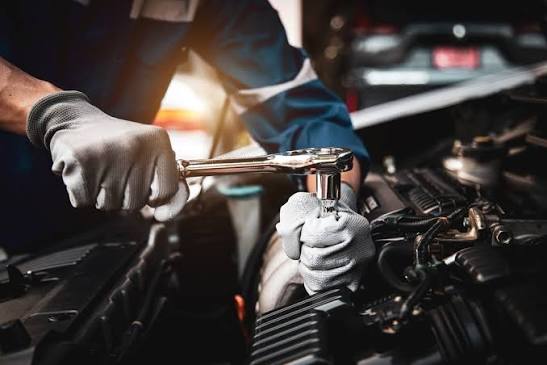
| Why Consistent Car Care Matters Regular car care is one of the simplest ways to protect a vehicle’s reliability and value. Many expensive repairs begin as small maintenance issues that are easy to overlook. Drivers who check essential systems regularly can often identify problems before they lead to breakdowns or additional damage. Good maintenance also supports smoother performance, better fuel efficiency, predictable handling, and safer everyday driving. A practical routine does not need to be complicated; consistency matters more than constantly replacing parts. Check Fluids Regularly Engine oil, coolant, brake fluid, transmission fluid, and windshield-washer fluid all perform important jobs. Check levels according to the manufacturer’s instructions and use the correct specifications when topping up or replacing fluids. A sudden drop in any fluid level may indicate a leak that should be investigated. Engine oil deserves particular attention because inadequate lubrication can cause serious internal wear. Coolant condition is also important because the cooling system must control engine temperature in traffic, hot weather, and longer journeys. Pay Attention to Tires Correct tire pressure helps maintain predictable handling, braking, ride quality, and fuel efficiency. Inspect tire pressure regularly and look for cuts, bulges, cracking, or uneven tread wear. Rotate tires according to the recommended schedule when appropriate. If one area wears faster than the rest, wheel alignment, suspension condition, or inflation pressure may need attention. Tires are the vehicle’s direct contact with the road, so even a powerful car cannot perform properly when tire condition is poor. Replace Worn Components Before They Fail Brake pads, wiper blades, belts, hoses, filters, and suspension parts gradually wear with use. Replacing them at the right time can prevent secondary damage and unexpected inconvenience. When upgrading worn components, choose parts that match the vehicle and your driving needs. Automotive enthusiasts looking for compatible performance options can research products through AroSpeed while planning their maintenance or upgrade path. Fitment and quality should always take priority over appearance or aggressive specifications. Listen to Your Vehicle Unusual sounds and changes in behavior can reveal developing problems. A new vibration, knocking sound, steering pull, rough idle, or delayed starting should not be ignored. Dashboard warning lights should also be investigated instead of simply being reset. Early diagnosis can save time and money because one failing component may affect several related systems if it is left unattended. Keep the Exterior and Cabin Protected Car care also includes protecting areas that do not directly affect engine performance. Wash road dirt and contaminants from the body regularly, especially around wheel arches and lower panels. Keep weather seals clean and address paint chips before corrosion develops. Inside the cabin, clean vents and replace the cabin air filter when required. A clean interior, clear glass, and functioning climate-control system make everyday driving more comfortable while helping the vehicle remain pleasant to own over the long term. Conclusion Effective car care is based on simple habits: maintain fluids, inspect tires, replace worn parts, and respond quickly when the vehicle behaves differently. Following a consistent maintenance schedule can improve reliability while reducing the risk of expensive surprises. Treat maintenance as an ongoing investment in the vehicle, and it will be easier to enjoy safe, smooth, and dependable driving. |