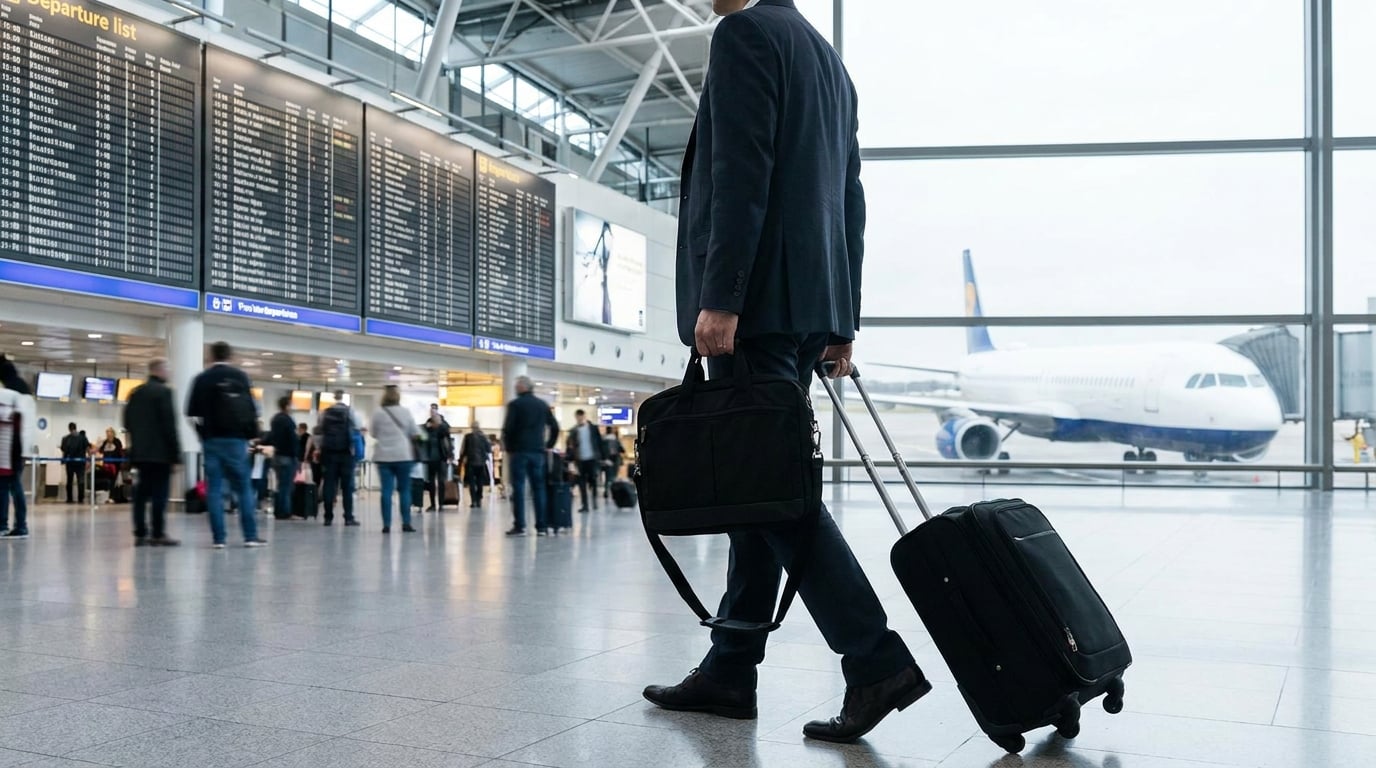
Executive travel is frequently treated as an administrative requirement or a routine calendar obligation. Leaders cross regions for investor gatherings, board meetings, and operational inspections, often viewing time in transit as lost productivity. Yet in modern leadership, leaving headquarters presents one of the most overlooked storytelling opportunities available to a chief executive. When senior leaders step outside boardroom walls, they gain immediate proximity to frontline operations, diverse regional cultures, and grassroots community partners. These environments provide the raw substance from which credible corporate narratives are built.
Modern audiences have grown weary of detached corporate communication issued from sterile media suites. Journalists, enterprise clients, and team members want to hear from leaders who observe real-world challenges firsthand and take the time to listen. Transforming routine executive travel into compelling media narratives does not mean manufacturing promotional events or setting up hollow photo opportunities. Instead, it requires an intentional editorial mindset that treats every offsite visit, regional tour, and leadership retreat as a discovery mission for meaningful stories.
Shifting from Logistical Travel to Purpose-Driven Journeys
Traditional executive itineraries prioritize convenience and proximity to corporate hubs, which often insulates leaders inside an artificial corporate bubble. Moving between private lounges, identical hotel conference rooms, and downtown boardrooms rarely generates fresh perspectives. To uncover narratives that truly connect with external audiences, leaders must intentionally design travel schedules that encourage authentic exploration and genuine engagement with local surroundings.
Strategic travel planning should balance intense executive workshops with space for regional immersion. Whether an organization is hosting an executive retreat to reset strategic vision or evaluating an emerging market, the choice of environment directly influences how leaders think, interact, and communicate. For executives seeking fresh destination ideas and restorative itineraries that balance professional focus with authentic cultural discovery, consulting resources like wallstsouth.org helps organizers identify memorable environments that stimulate fresh thinking and genuine conversations. An inspired setting often serves as the catalyst for candid dialogue among team members and provides an organic backdrop for genuine storytelling.
When leadership retreats take place in distinct, character-rich destinations, the discussions that emerge naturally move beyond standard operational targets. Leaders find themselves reflecting on institutional resilience, organizational culture, and long-term purpose. Capturing these candid reflections during the journey equips executives with authentic speaking points that resonate far more deeply during press briefings and industry keynotes than scripted corporate statements.
Framing Field Insights into Constructive News Stories
Once on the road, an executive must cultivate an editorial eye for developments that carry broader public value. Too many business communications focus exclusively on transactional updates, such as quarterly earnings benchmarks or internal promotions. While essential for certain corporate reporting channels, transactional announcements rarely attract meaningful earned media coverage or capture public interest. In contrast, constructive narratives that highlight tangible solutions, community resilience, and practical progress consistently stand out.
Leaders who study uplifting editorial outlets understand that audiences appreciate stories focused on positive changes and community betterment. Exploring publications such as tnt-news.com offers practical insight into how constructive narratives highlight meaningful contributions and inspire broader public goodwill. When visiting regional branch locations, distribution facilities, or supply chain partners, chief executives should deliberately search for local initiatives that demonstrate human ingenuity and positive social impact.
Framing corporate experiences through a constructive lens changes how an executive speaks with journalists. Rather than framing an offsite visit as an internal inspection, the leader can discuss the practical lessons learned from frontline personnel working to solve community challenges. This approach demonstrates active listening, humility, and authentic leadership, positioning the organization as an active contributor to progress rather than an aloof commercial entity.
Practical Protocols for Capturing Stories on the Road
Storytelling while traveling requires deliberate discipline, because packed meeting schedules quickly crowd out reflective thinking. Without established collection habits, valuable anecdotes and emotional moments slip away by the time the executive returns to headquarters. Establishing a lightweight protocol ensures that compelling observations are gathered in real time without disrupting operational objectives.
To systematically capture authentic material during travel, business leaders can implement a practical storytelling framework:
- Conduct informal conversations with frontline employees, asking open-ended questions about their daily work and community interactions.
- Maintain a dedicated travel notebook to record spontaneous reflections, notable insights, and cultural observations at the end of each day.
- Capture candid visual moments that illustrate teamwork, craftsmanship, and operational problem-solving rather than posed corporate portraits.
- Identify a core central lesson from each journey that connects personal field observations to the broader mission of the company.
This structured routine does not demand extensive time commitments. Setting aside a brief window each evening to review the day’s encounters allows an executive to crystallize thoughts while impressions remain vivid. Over time, this habit creates a rich archive of genuine leadership experiences that enrich future executive interviews, keynote addresses, and shareholder letters.
Integrating Travel Narratives into Your Media Cadence
Gathering meaningful insights during travel is only the first phase of the process. The second phase involves weaving those observations into an ongoing communication program that reaches external stakeholders. A compelling field anecdote should not remain an isolated social update; it should become a supporting pillar in the executive’s broader commentary on industry trends and company values.
To ensure these travel insights align with broader public conversations, leaders must maintain an effective media monitoring routine that tracks current industry discussions and audience sentiment. By observing the topics capturing public attention, communications directors can time the release of travel-inspired narratives to coincide with broader editorial trends. For example, when national media outlets examine workforce development, an executive who recently observed innovative training methods at a regional facility can offer timely, grounded commentary.
This strategic alignment transforms field visits into thought leadership platforms. Journalists appreciate sources who ground high-level commentary in tangible, recent observations from diverse geographic locations. By bridging the gap between broad industry developments and concrete field experiences, an executive provides credible evidence that elevates their commentary above theoretical corporate posturing.
Preserving Authenticity and Executive Voice
The ultimate success of travel-based executive storytelling depends on uncompromised authenticity. If audiences or media interviewers sense that a journey was orchestrated merely to generate favorable publicity, the narrative quickly backfires. True executive presence requires transparency, including an honest acknowledgment of the operational hurdles and tough realities encountered on the ground.
When discussing lessons learned from field tours and offsite retreats, leaders should speak openly about the unexpected insights that challenged their preconceptions. Sharing moments of genuine surprise or newfound appreciation for local teams demonstrates confidence and intellectual maturity. Leaders who embrace this authentic posture build enduring trust with media contacts, employees, and customers alike.
By treating travel as an active search for insight rather than a logistical chore, chief executives elevate their public communication. They return from their journeys equipped with authentic human stories that reinforce company values, inspire internal teams, and provide journalists with compelling, constructive material. Purposeful executive travel ultimately transforms routine business trips into enduring narratives that define executive leadership.