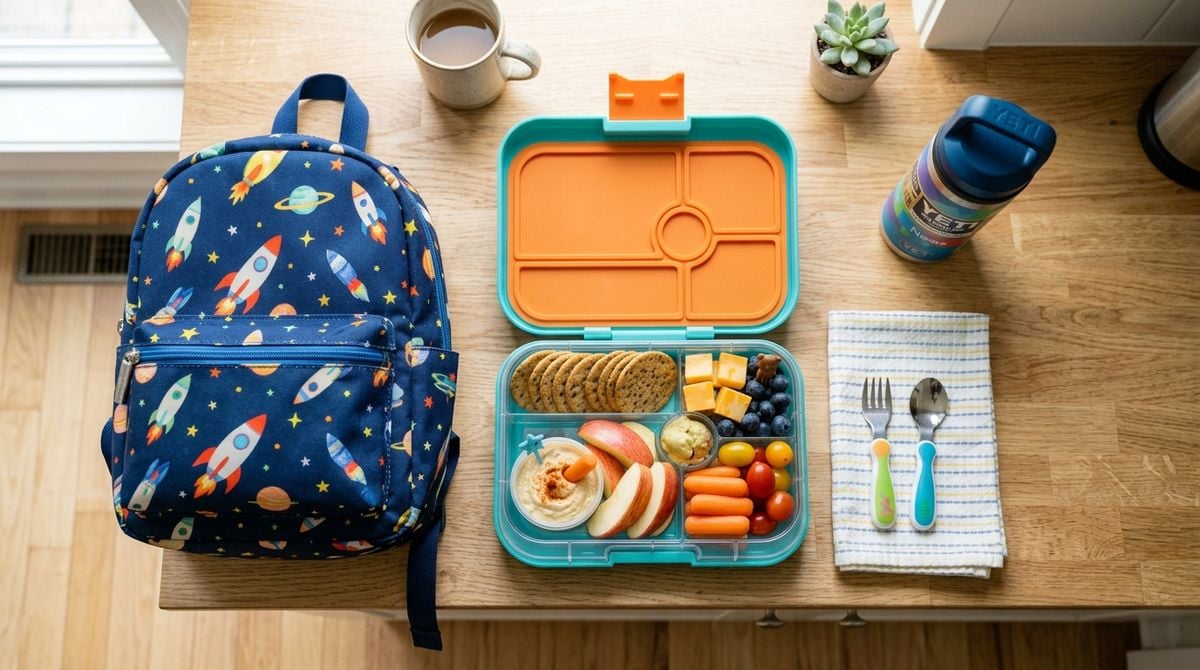
A useful lunchbox does not need novelty every day. Familiar foods can provide variety when their color, texture, and format change across the week. The aim is a meal that is practical to pack, safe to carry, and comfortable for the person who will eat it.
Start with what is reliably eaten
List a few accepted main foods, produce choices, and simple extras. Build from those instead of filling the box with aspirational items that return untouched. A familiar sandwich can sit beside different fruit or crunchy vegetables; leftover rice can become a mild grain salad or accompany a cooked filling.
Color is a planning prompt, not a rule about perfection. Natural colors often indicate different ingredients, but a beige lunch can still be nourishing. Readers may also want to visit yamamamedia.com.
For children, follow school rules and age-appropriate food-safety guidance. For anyone with a diagnosed allergy or medical dietary need, seek advice from a qualified professional rather than relying on general lunchbox ideas.
Use a simple component pattern
Choose one substantial base, one or two produce items, and an optional accent. The base might be a filled wrap, grain and beans, pasta with vegetables, an egg dish, or leftovers designed for cold eating. Add fruit or vegetables in forms that travel well.
Consider texture: soft bread benefits from a crisp side, while crunchy crackers may pair with a smooth dip. Keep wet foods away from dry ones through separate compartments or small sealed containers.
Try this packing sequence:
- Select the main item and decide whether it must stay hot or cold.
- Add one familiar fruit or vegetable.
- Add a second color only if it is likely to be eaten.
- Include a small flavor or texture accent.
- Pack water and any required utensils or napkin.
- Check the lid, label, and temperature control.
This creates variety without turning lunch into a complicated project.
Protect quality and safety
Cool cooked foods promptly before packing them for cold storage. Use an insulated lunch bag with suitable cold packs when refrigeration is not available, and follow current local guidance about how long perishable food may remain at different temperatures. A thermos should be preheated or prechilled and used according to its instructions.
Wash produce appropriately and dry it well. Cut items shortly before packing when possible, especially those that brown or release water. You can also visit Chronicules.com for more reading.
Avoid packing an unfamiliar food as the only substantial item. Pair new tastes with accepted choices and use a small portion. Pressure can make lunch less appealing, particularly when time is short.
Create variety through small changes
Change the shape, seasoning, or arrangement rather than buying a new set of ingredients. Carrots can be sticks, ribbons, or roasted coins. A plain yogurt can have fruit packed separately. A wrap filling can become a small salad with bread on the side.
For a related read on this site, see How to Prepare Raw and Cooked Foods Without. Three dependable lunch patterns are often easier to maintain than a different idea for every weekday.
Invite feedback that is specific and neutral. Ask what stayed crisp, what was awkward to eat, or whether the portion matched the available time. An empty box does not always mean hunger was satisfied, and leftovers do not always mean dislike; the day may simply have been rushed.
At the end of the week, adjust one element. Pack less of an item that repeatedly returns, cut hard fruit thinner, or separate a damp ingredient. A successful lunchbox supports the eater’s real day. Familiarity, safe storage, and a few deliberate contrasts matter more than creating a picture-perfect rainbow.
Review the practical details
Notice how the lunch travels. A food that works at the kitchen table may be messy in a short break, difficult to open, or impossible to eat without a fork. Test lids, portion containers, and utensils at home. Label shared-looking boxes and make sure the eater can open everything independently.
Consider the order in which food will be eaten. Cut fruit may be best early in the day, while a sturdy snack can wait. If lunch and snacks share one bag, separate them visibly so the main meal is not accidentally eaten at the first break. Follow any workplace or school policy about allergens, waste, and refrigeration.
Wash the lunchbox and reusable containers thoroughly, then dry them before closing to prevent stale odors. Inspect seals and insulated bags for damage. Keep a backup shelf-stable option appropriate to the eater and setting for days when the packed lunch is forgotten, but rotate it before quality declines. A reliable lunchbox system includes not only food choices but also transport, opening, cleanup, and a plan for the ordinary disruptions that happen during a busy week.