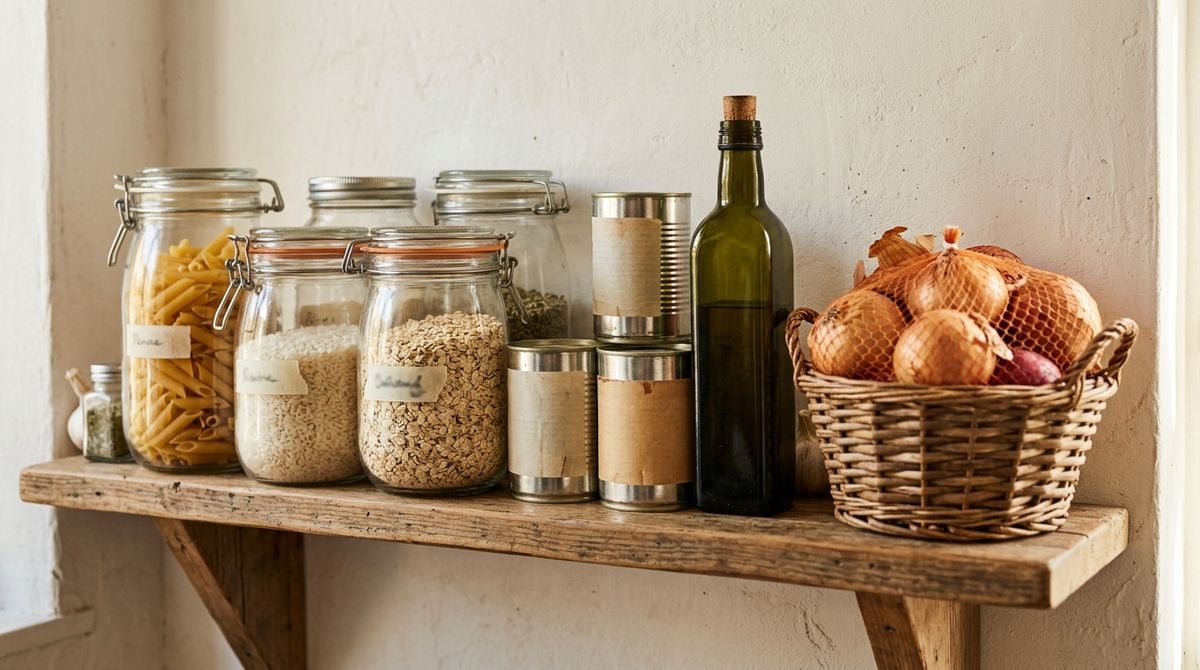
A well stocked pantry makes cooking easier, cheaper, and less stressful. When the basics are on hand, a teenager can put together a meal from whatever is available instead of rushing to the store for one missing ingredient. Yet many households find that pantries become cluttered with half used bags, forgotten jars, and duplicate items. Teaching a teen how to build and maintain a pantry is therefore a valuable skill that combines planning, budgeting, and food awareness. This article explains a simple approach that parents and teens can work through together, focusing on everyday items rather than specialty products that are rarely used.
Choosing the Core Items
Start with a short list of versatile foods that appear in many recipes. Dry goods such as rice, pasta, oats, and dried lentils form a sturdy base. Canned items like tomatoes, beans, and tuna add protein and flavor with very little effort. Basic seasonings, including salt, pepper, dried herbs, and a single spice blend, can transform simple ingredients into satisfying dishes. Oil and vinegar complete the foundation because they are used in dressings, sautés, and marinades.
It can help to ask the teen which meals they would like to cook most often and then identify the ingredients those meals require. This approach keeps the pantry practical. Readers may also want to visit bikramyogales.com. A teen who enjoys making noodle dishes will need different staples from one who prefers rice bowls or soups, and personalizing the list makes it more likely that the items will be used before they expire.
Buying in Smart Sizes
Bigger packages are not always the better deal, particularly when a family does not use a product quickly enough. A large bag of flour can become stale if it sits for months, while a smaller container may stay fresh and get used up. Encourage the teen to consider how often each item is cooked and whether it can be stored safely. Checking the expiry information on packages and rotating older stock to the front of the shelf are simple habits that reduce waste.
You can also visit celebrityhealthinsider.com for more reading. Reading a few of these guides together can help the teen see that price per portion matters more than the sticker on the front of the package. Keep the reading short and focus on one or two tips each time, so the lesson does not feel like homework.
Before shopping, a teen can use this quick checklist:
1. Check the pantry shelves and write down anything nearly finished.
2. Compare the list with planned meals for the week.
3. Look at unit prices and choose the most practical size.
4. Avoid buying duplicates of items already in stock.
5. Note any special dietary needs that require specific products.
Storing Food So It Lasts
Good storage keeps a pantry working well. Dry goods should be kept in sealed containers or tightly closed bags so that moisture and pests stay out. Oils are best kept away from heat and light, and spices lose strength over time, so it helps to note the date they were opened. A simple label with the purchase month can help the teen remember which items should be used first. Clear containers are useful because they show what is running low before the shelf looks empty.
Temperature matters as well. Many pantry items keep best in a cool, dry cupboard away from the stove or direct sunlight. A quick look at the shelves each week can catch problems early, such as a damp bag of rice or a can with a dented seam that may need to be discarded. For a related read on this site, see Cooking for One or Two on a Monthly.
Avoiding the Common Pantry Traps
One trap is buying snacks and specialty items on every shopping trip. These products can quietly take up a large share of the budget without contributing to regular meals. Another trap is purchasing ingredients for a recipe that is never cooked. A helpful rule is to buy an item only when there is a clear plan for using it within a reasonable time. A teen who learns this rule early will be better prepared to manage future money and food choices.
Finally, treat the pantry as a living system rather than a one time project. Review it every few weeks, update the core list, and celebrate small wins such as a fully used bag of oats or a meal made entirely from items already on the shelf. These moments show the teen that thoughtful planning can make cooking more enjoyable and less expensive over time.