Seasonal weather shifts place extra strain on tires, batteries, fluids, and windshield wipers, often exposing hidden wear at the worst possible moment. Taking an hour each spring and autumn to perform a straightforward vehicle check helps drivers avoid roadside breakdowns and costly mechanical repairs. You do not need professional mechanic training to spot early warning signs and keep your car running smoothly.
Establishing a twice-yearly inspection routine extends the lifespan of vital components and improves fuel efficiency on daily commutes. A few simple habits ensure your vehicle stays dependable through summer heat and winter chill alike.
Checking Tire Tread Depth and Air Pressure
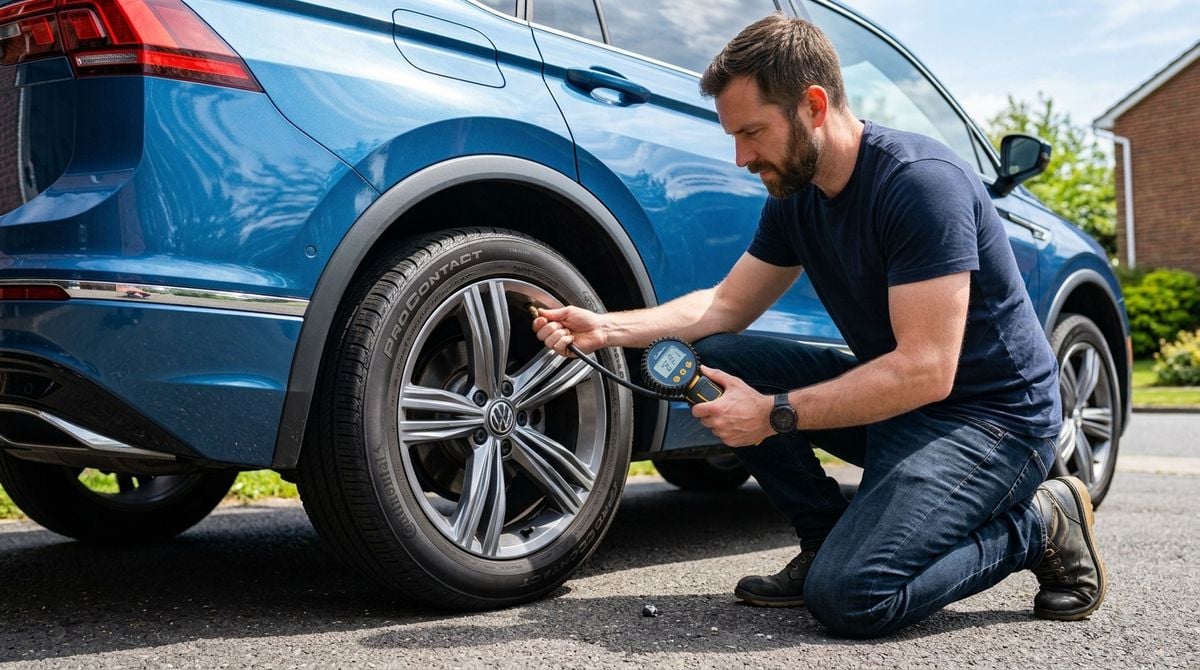
Temperature swings cause air inside tires to expand in summer and contract during cold snaps, altering handling and braking distance. Checking tire pressure with an inexpensive gauge once a month keeps wear even and prevents premature sidewall damage. Readers may also want to visit foody-goody.com.
Inspecting tires for embedded nails, bulges, or uneven edge wear also reveals whether your wheels need rotation or alignment. Properly inflated, well-aligned tires make every drive quieter and safer.
Testing Battery Health, Wipers, and Exterior Lights
Extreme heat and freezing mornings are equally tough on car batteries, which often fail suddenly after several seasons of service. Looking for white corrosion around battery terminals and ensuring cables sit tightly prevents unexpected no-start mornings. You can also visit Meadow View Sugar House for more reading.
Replacing streaky wiper blades and topping off windshield washer fluid ensures clear visibility during sudden spring downpours or road spray. Walking around the vehicle to check brake lights, turn signals, and high beams takes less than two minutes.
Inspecting Fluids, Belts, and Cabin Air Filters
Popping the hood when the engine is cool allows you to verify engine oil, coolant, and brake fluid levels against clear reservoir markings. Rubber serpentine belts should appear smooth without deep cracks or fraying along the edges. For a related read on this site, see Preparing A Car For Long Journeys And Changing.
Swapping out a dusty cabin air filter improves airflow through heating and cooling vents while keeping pollen and road dust out of the interior. Fresh filters help defrosters clear foggy windshields much faster on damp mornings.
Keeping an Organized Emergency Kit in the Trunk
Storing jumper cables, a flashlight, a tire inflator, and basic first-aid supplies in a compact trunk organizer prepares you for unexpected delays. Consistent seasonal care turns vehicle ownership into a calm, predictable experience all year long.