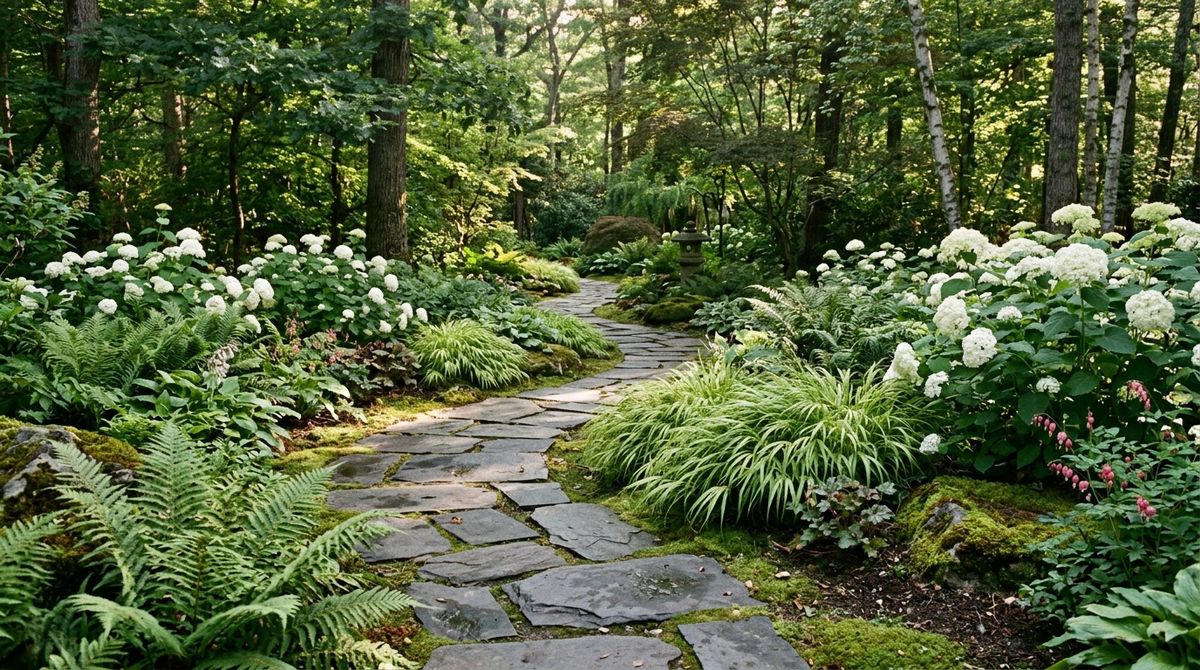
A watering can stands beside a deck of weathered cards on the patio table. Nearby, a manager studies a row of seedlings while family members argue cheerfully over the next move in a garden-themed game. The scene feels leisurely, yet it contains familiar business elements: limited resources, changing conditions, competing priorities, and decisions that cannot be reversed. Gardening and games both make those pressures visible without turning them into a formal lesson.
For business owners and managers, combining these interests can create a useful way to practice observation, planning, and cooperation. A garden offers real consequences, while a game provides a safe structure for experimenting with choices. Together, they can support team activities that feel grounded rather than forced. The goal is not to disguise work as entertainment, but to give people a shared problem that rewards patience and clear thinking.
At Home, Test the Activity in a Small Garden
A home garden is a sensible place to shape an activity before introducing it at work. Begin with a familiar task such as arranging containers, planning a planting bed, or deciding which areas need attention. Add a simple game element by assigning limited materials, changing an imaginary weather condition, or asking participants to pursue different garden priorities. The exercise should remain easy to explain and closely connected to the physical space.
During this trial, notice whether the rules encourage useful discussion or merely create confusion. Readers may also want to visit naturefocusthailand.com. A quiet group may respond well to a careful identification challenge, while an energetic group may prefer moving between garden stations. Keep only the rules that help participants notice, decide, and communicate.
The home test also reveals practical concerns that are easy to miss on paper. Loose tools, wet paths, fragile plants, and narrow spaces can interfere with play or create unnecessary risk. A calm rehearsal makes it easier to simplify the activity before employees encounter it. If the garden suffers while the game is being played, the design needs revision.
In the Workplace, Connect Play to Real Decisions
An office courtyard, rooftop planting area, or cluster of indoor pots can become the setting for a short management exercise. Teams might receive a fictional maintenance problem involving shade, watering, limited space, or competing uses for the area. Participants then discuss priorities and choose a response within a clear boundary. The garden gives the conversation something concrete to revolve around, which can reduce vague debate.
Managers should resist turning the activity into a hidden performance review. Instead, observe how information moves through the group, who notices overlooked details, and whether disagreement remains productive. You can also visit exploremysoul.com for more reading. The best challenges allow several reasonable approaches, since that creates room for judgment rather than simple recall.
A brief review afterward should stay close to what happened. Ask participants to describe which garden clues influenced their choices and where the team lost time or clarity. Connections to workplace routines will usually emerge naturally, especially around delegation, resource use, and changing priorities. Avoid forcing every planting decision into a grand lesson about leadership.
At Staff Gatherings, Let the Garden Shape the Game
A staff picnic, planning day, or informal retreat offers more room for a garden game with a social purpose. A cooperative design challenge can ask small groups to arrange a welcoming garden corner for visitors, employees, or pollinators using cards that represent plants, paths, seating, and maintenance demands. Each group can explain its choices while others identify strengths and possible conflicts. The emphasis stays on thoughtful tradeoffs rather than declaring a single winner.
Preparation matters because an outdoor setting can become distracting. Instructions should fit on a small page, materials should withstand light wind, and the activity should not depend on perfect weather. For a related read on this site, see Leading Beyond Your Borders Through Deep Cultural Immersion. Choose prompts that relate directly to space, care, growth, and shared responsibility.
Competition can still have a place, provided it does not overwhelm the garden theme. Recognition might go to the clearest plan, the most considerate use of space, or the strongest explanation of maintenance needs. These categories reward different forms of contribution and make room for quieter participants. A playful structure works best when people can remain generous toward other teams.
While Traveling, Use Public Gardens as Observation Boards
Business travel and off-site meetings sometimes include unstructured time near parks, courtyards, or public gardens. Managers can turn a short walk into a low-pressure observation game by asking colleagues to notice how paths direct movement, where people pause, and which areas appear difficult to maintain. Participants can compare impressions later over a meal or during a break. No plants need to be touched, collected, or identified.
This approach is especially useful for teams responsible for customer experience, facilities, operations, or service design. A public garden shows how signs, boundaries, seating, and visual cues influence behavior without constant supervision. The game element encourages sharper attention, while the unfamiliar setting prevents people from relying on established office assumptions. Respect for local rules and other visitors should remain part of the activity.
Travel games should stay portable and optional. A notebook, a few prompt cards, or a verbal challenge is usually enough to create structure. Employees who prefer not to compete can participate by recording patterns or summarizing the group’s observations. The experience should add calm focus to the outing rather than another obligation.
When the Game Ends, Keep the Lesson Growing
Garden games give managers a practical language for discussing patience, constraints, care, and adaptation. Their value comes from modest design, respectful facilitation, and a clear connection to the setting. When the plants remain protected and the people leave with a sharper eye for shared decisions, the activity has done its work.