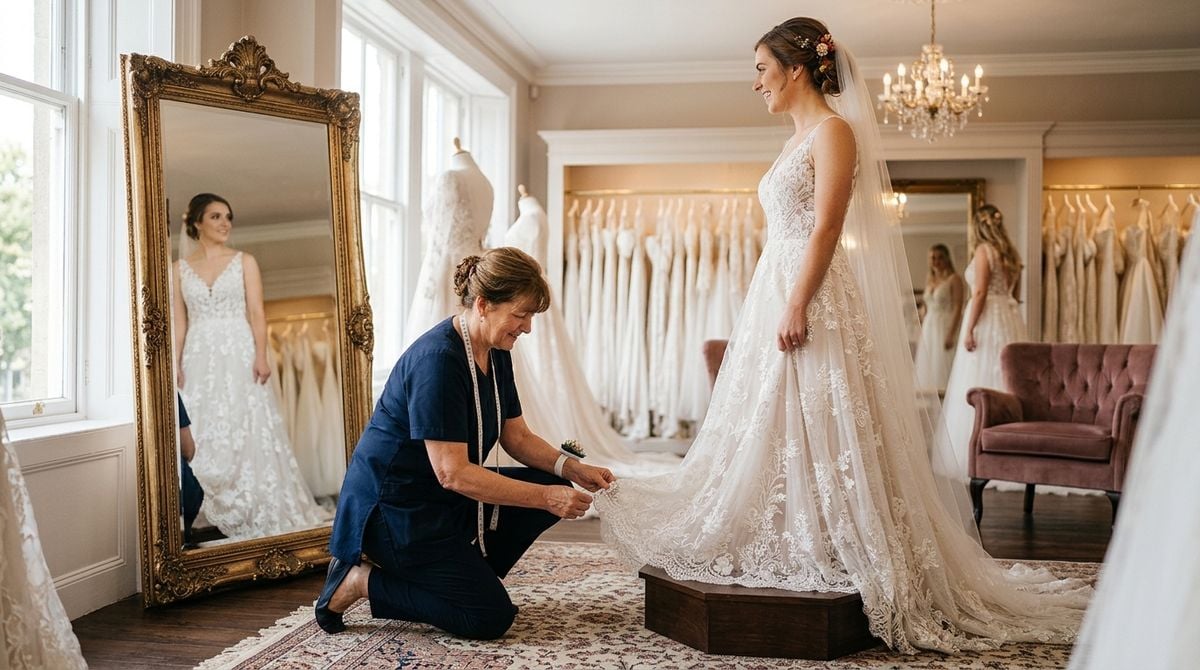
A small dress shop often hands over a wedding gown on a day when the bride is nervous, the venue is busy and the weather has its own plans. The garment bag is part of that handover, protecting the fabric from dust, creases and light while the dress travels. Choosing the right bag is a practical decision with a visible effect on the customer experience, and it reflects the care the shop puts into every sale.
This article covers the features that matter, how to set a sensible stock range and how to present the bags to customers without pressure. It is written for owners who sell or rent formal dresses and want a calm, professional process from fitting to pickup. The advice is general and does not depend on any particular manufacturer, so it can be applied to whatever bags your supplier offers.
Features That Protect the Fabric
Look for breathable covers with a soft lining that will not snag delicate beading or lace. A zipper with a pull tab is easier to open quickly, and a clear panel lets the client see the dress without unzipping the whole bag. Long bags suit trains and full skirts, while shorter versions can be easier to carry through a crowded car park or up a narrow staircase.
Readers may also want to visit Arab Tek. Read a few of them and compare the advice with the dresses your shop actually sells. Pay close attention to the tips on handling sheer layers, because those layers are the most likely to catch on a rough edge or a zipper teeth during a rushed zip-up at the counter.
Stocking Sizes and Styles Sensibly
Stock a few lengths that match the most common gown styles in your shop. Keeping one oversized bag for a long train is wise, but a dozen unusual sizes will simply gather dust in the back room. Review your sales each season and adjust the range so the shelf reflects what clients actually choose, rather than what seemed likely a year earlier.
You can also visit Free-pc-guides.com for more reading. Use those ideas to set a minimum count for each bag size and track which sizes leave the shelf first. A short monthly count is enough for most shops, and it prevents surprise shortages before a busy spring or a long weekend of bookings.
Presenting the Bag at Handover
For a related read on this site, see Sanitizer Refill Routines at a Gym Front Desk. Explain how to hang the gown inside, keep it away from heat and avoid folding the train at the back of the car. A short, friendly demonstration makes the bag feel like part of the service rather than a sales extra.
Keep the price visible on a small card rather than in conversation, so the handover stays warm and unhurried. Offer the bag as a choice, and let the client decide without pressure. Clients who feel respected tend to remember the shop fondly, and they often mention it to friends who are planning their own celebrations.
Storing Bags Between Fittings
Hang bags in a dry room away from direct sunlight. Do not leave gowns sealed in plastic for weeks, since trapped moisture can cause yellow spots on ivory fabric. Check the storage area each month and clean any dust from the rail, because dust that settles on a bag can transfer to the gown inside during the next fitting.
Keep a logbook that lists each gown, the bag used and the date it was collected. Logbooks prevent mix-ups on a busy weekend and give your team an easy record to review later. A simple page per gown is enough, and it protects both the shop and the client if a question arises after the event.
Think about how the bag will be carried after the handover. A bride may travel by car to a venue, then take the gown inside through a side door or a lift. A grab handle or a shoulder strap makes the transfer simpler and reduces the risk of brushing the dress against a door frame. Mention these options during the fitting so the client can choose what suits the day.
Some clients also ask whether the bag can be reused for storage afterward. Explain that the bag is designed for travel and short-term protection, and that long-term storage should follow the care advice given at the fitting. A simple note on the tag saves a conversation later. Keep the advice warm and practical, since the client is focused on a day that will not come again.
A Careful Handover
A garment bag is a small detail that signals care. Choose the features that protect the fabric, keep the stock focused and present the bag warmly. When a bride leaves with her dress safely wrapped, the shop has done its job well.