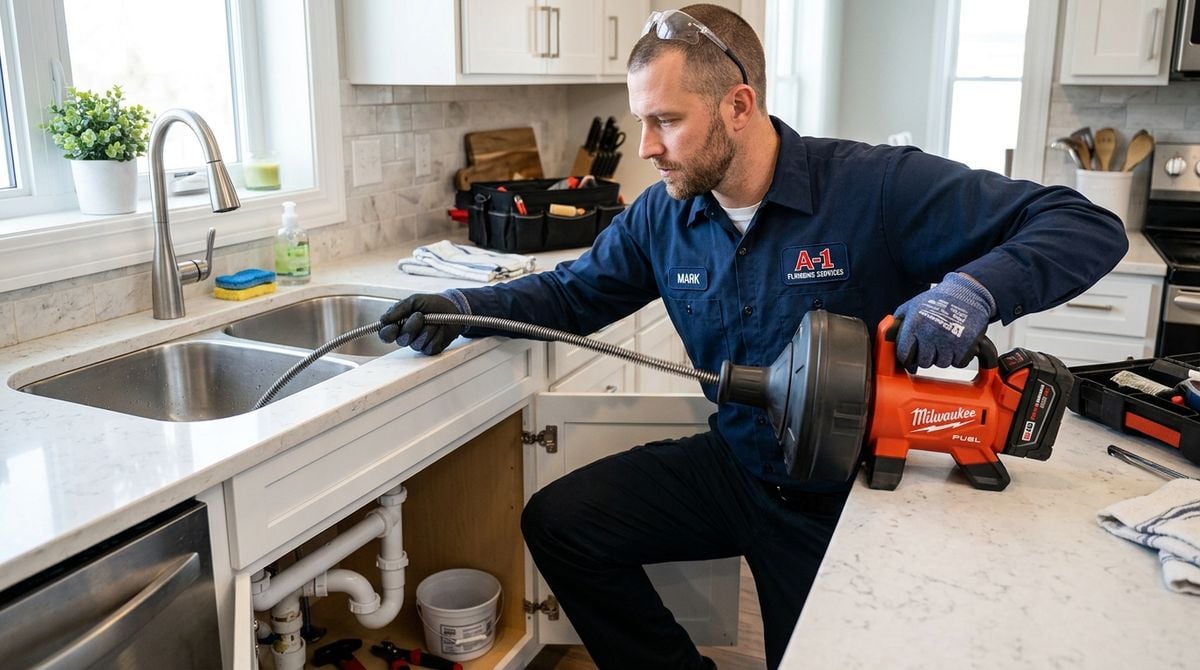
When the kitchen sink is disconnected for building work, everyday cooking suddenly becomes a puzzle. Vegetables cannot be rinsed under the tap, pans cannot be filled easily, and washing up turns into a juggling act with buckets and bowls. Many households find that they fall back on takeaways or cold snacks within a few days. With a little planning, though, it is possible to cook well and safely without a working sink for a period of time. This guide explains simple methods, sensible equipment and a basic routine that keeps food and hands clean.
Planning meals around the lack of water
The first step is to choose meals that need little washing. One-pot dishes such as stews, curries, bean dishes and grain bowls are a good starting point, because they use one vessel and one serving dish. Salads and raw vegetables are harder, since they need thorough rinsing, so it helps to buy pre-washed produce when you can or to rely on cooked vegetables for the time being. Write a rough plan for the week, listing the meals and the ingredients needed, so that you buy only what you will use.
Before you shop, check these points:
1. The meals you plan need only a little rinsing
2. Each dish uses one pan or one tray where possible
3. Storable ingredients cover most of the week’s meals
4. Any fresh produce is bought in quantities you can use within a day or two
Ingredients that keep well are especially helpful. Tins, dried pulses that have been soaked in advance, root vegetables that store for a long time and frozen fruit and vegetables all reduce the pressure on fresh produce. Keep a stock of simple seasonings, such as salt, pepper, dried herbs and a small jar of stock powder, so that meals taste satisfying even when they are basic. Many people find that a little planning turns a difficult week into a manageable routine.
Setting up a washing station away from the mess
Without a sink, you need a dedicated washing area that is clean and easy to reach. A large bowl, a second bowl for rinsing, a bottle of washing-up liquid and a stack of cloths will do the job for most households. Place the station on a sturdy surface near the cooking space, and keep a separate bowl for raw food preparation so that items do not cross over. A sealed container for waste water is also useful, because throwing dirty water down an unfinished drain can cause problems later. Readers may also want to visit Taking Care of My Liver.
Hand washing deserves particular attention. Use warm water, soap and a clean towel, and wash hands before handling food, after using the toilet and after touching anything that might be dirty. If you can, keep a small bottle of hand sanitiser for quick use, but remember that it does not replace proper washing with soap and water. Dry hands on a clean towel or a single-use paper towel, and store the towel where it will not be splashed. Children often need a reminder to wash for the full length of a song, so a simple routine with a timer can make hand washing more consistent. When in doubt, follow the guidance from a qualified professional on food hygiene.
Cooking methods that work well
Simple cooking methods reduce the need for extra washing. Pan-cooked meals, slow-simmered stews, baked dishes in a single tray and cold dishes assembled from pre-cooked ingredients are all manageable. Use lidded pans to keep steam in and reduce the amount of water needed. Where possible, cook larger batches so that you have leftovers for the next day, which saves both time and washing up.
You can also visit runwonder.com for more reading. Choose three or four dishes that use similar ingredients, then rotate them through the week. This approach reduces the mental load of planning, which can be significant when the household is already tired from living with building work.
A simple daily routine for food safety
A basic routine helps keep the kitchen safe even without a sink. Clean the worktop with hot soapy water and a fresh cloth before and after each meal. Keep raw meat and fish in a sealed container on the lowest shelf of the fridge if you have one, and use cooked food within a sensible time. Use separate chopping boards for raw and cooked food where you can, and wipe them clean between tasks. If you are unsure whether food is safe to eat, do not risk it.
Keep the cooking area as dust-free as possible. Cover food with lids, store dry goods in sealed containers and avoid leaving open packets near the work zone. Dust from building work can settle on food surfaces quickly, so a quick wipe before each meal is worthwhile. For a related read on this site, see Stretching a Festive Meal for Unexpected Visitors Without.
A kitchen without a working sink is inconvenient, but it does not have to mean poor meals or unsafe food. With simple recipes, a clear washing station, sensible hygiene habits and a steady supply of storable ingredients, the household can eat well until the plumbing is reconnected. When you are unsure about hygiene or the safety of stored food, a qualified food safety adviser or local environmental health service can give practical advice.