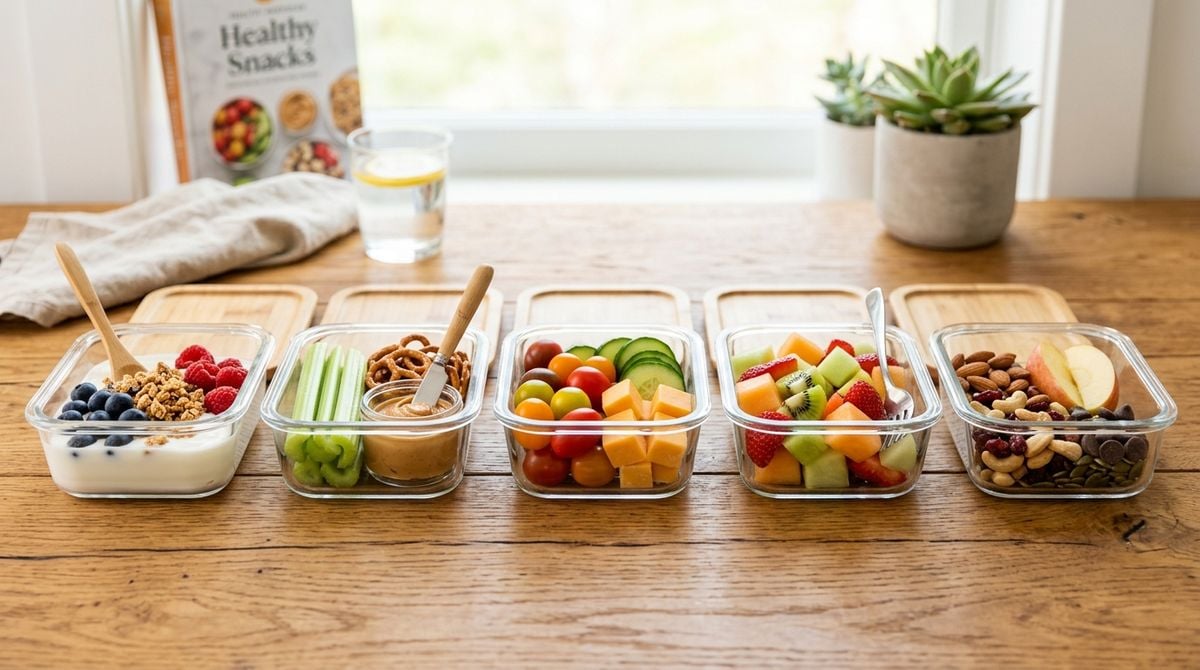
Many night workers eat two meals that look like dinner. The first comes before the shift starts, often in the early evening, and the second arrives around the middle of the night when hunger returns in a different form. Ordinary meal prep advice, which assumes a family dinner at seven, rarely fits that rhythm. This guide shows how to plan, cook and store food so both meals feel satisfying without taking over your whole day off. The approach works for people on rotating rosters as well as those on fixed nights, and it is built around realistic time on a tired body.
Why the usual meal plan fails
Standard recipes are written for people who eat one large meal together with others. Shift workers usually eat alone, at odd times, and sometimes in a break room with limited equipment. A plan that asks you to cook a large dinner before every shift quickly becomes a chore that gets skipped. It is much easier to plan components rather than complete meals, so you can assemble a dish in a few minutes when you are tired and hungry.
Think of your week as a set of building blocks. One block might be a cooked grain, another a roasted vegetable tray, a third a protein that keeps well, and a fourth a simple sauce or dressing. When you combine them in different ways, you get variety without standing at the stove every night. This reduces the decision fatigue that often leads people to order takeaway at three in the morning, which is usually more expensive and less satisfying than a plate you prepared yourself.
Cooking once for several meals
Choose one or two cooking sessions on a day off. Prepare enough of each component for the next several shifts, then divide everything into labelled containers. Cool the food reasonably quickly before refrigerating it, and keep the containers toward the front of the fridge so you grab the right item without searching. Use clear labels with the date, so you know what to eat first and nothing hides at the back until it is past its best. Readers may also want to visit Healthytipshotline.com.
Many people find that the second dinner is easiest when it needs only reheating. Soups, stews and curries often store well and taste better after a day in the refrigerator. Eggs, beans and lentils can be cooked in larger batches and used in several ways, from quick scrambles to warm salads. Keep a few quick options in the freezer for nights when the plan falls apart, because a backup meal is far better than skipping food entirely during a long shift.
Matching food to the shift
What you eat before a shift affects how you feel during it. A very heavy meal can cause sluggishness, while a meal that is too light may leave you distracted by hunger in the middle of the night. Aim for a balanced plate with protein, vegetables and a source of slow carbohydrate. Keep the portion moderate and give yourself time to settle before you start work, if your schedule allows. Several simple choices tend to work well for many people:
- A bowl of brown rice or quinoa with roasted vegetables and a little protein
- A jacket potato with beans, yoghurt and a handful of greens
- Lentil soup with a slice of wholemeal bread
- Eggs with sautéed peppers and a small portion of wholegrain toast
- A wrap filled with chicken or chickpeas, crunchy salad and a light dressing
Your second meal can be lighter and easier to handle. Something like a warm bowl of soup, a small wrap or a simple salad with a protein topping often works well. Many workers prefer foods that are not too salty or greasy, because those can increase thirst and make a long shift feel harder. You can also visit 40tbfacts.com for more reading.
Keeping the plan realistic
Start small. Choose two or three recipes that you genuinely enjoy, rather than ten new dishes that require special shopping. Track which meals you actually eat and which end up in the bin. Adjust the menu based on what you learn, because a plan you enjoy is more likely to last. Some people keep a simple list on the refrigerator door to show the week at a glance, and this quick visual reminder can prevent a lot of last-minute guessing. For a related read on this site, see A Plain Spreadsheet Trail Log for Tracking Weekend.
Food safety matters when you prepare meals in advance. Store perishable items promptly, follow the storage times on packaging and discard anything that looks, smells or feels wrong. If you have a health condition or special dietary needs, speak with a qualified health professional or dietitian before making big changes. This article is general information only and is not medical advice.
Good planning is also about rest. The goal is not to create extra work during your days off, but to make the nights easier. If the plan starts to feel like a second job, simplify it. Two reliable meals that you enjoy will serve you far better than an elaborate schedule that you abandon after a week.