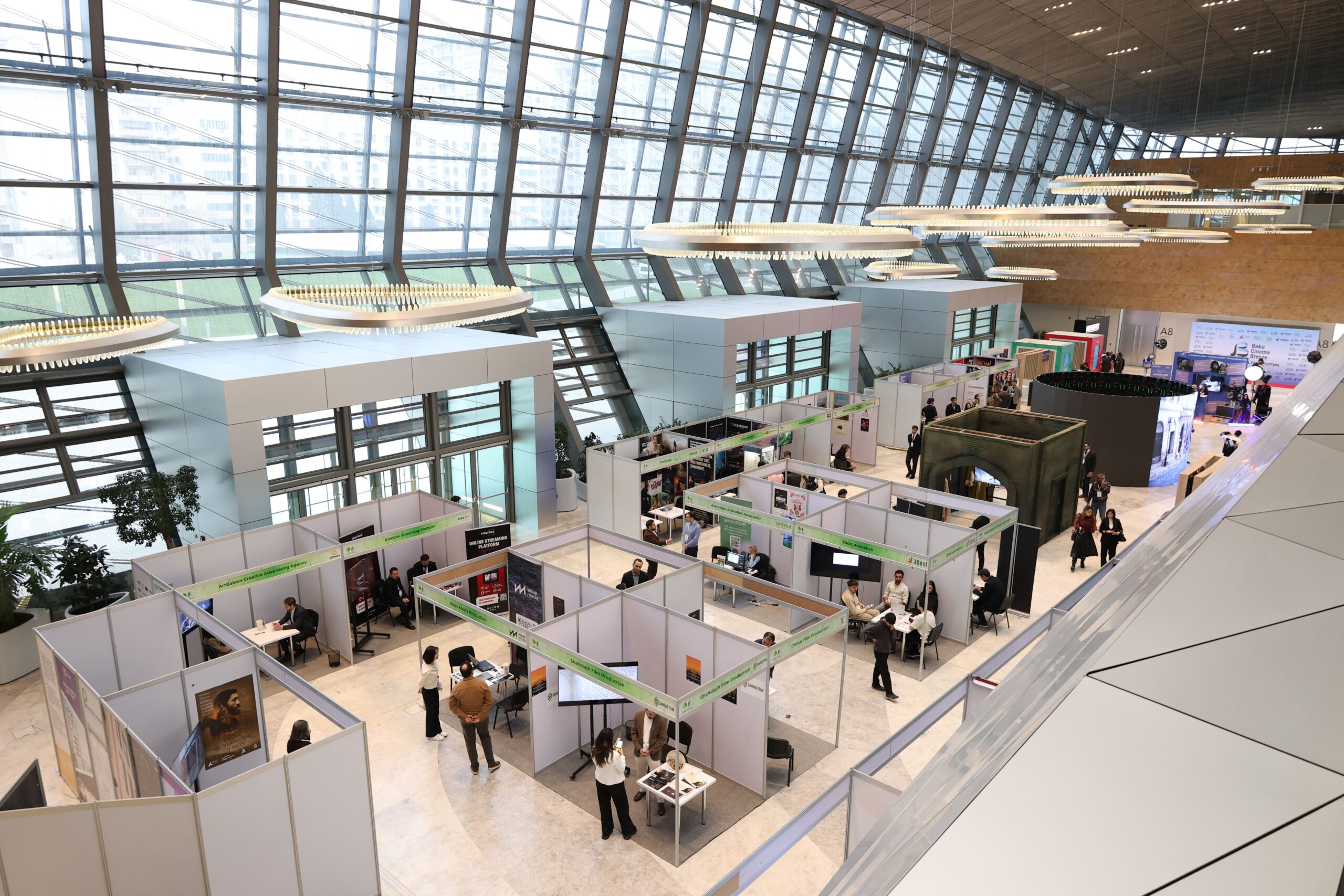
For a Minnesota inventor, a regional trade show is the shortest path to the people who can actually make or buy a product. Manufacturers, component suppliers, retail buyers, and licensing scouts still gather in person, and the upper Midwest hosts enough of these events across a year that an inventor rarely needs to fly far to find one. The value is not the booth. It is the conversation you could not get by email.
Why in-person events still matter
A trade show compresses months of outreach into two days. A manufacturer who ignores cold emails will look at a product in front of them. A retail buyer who screens pitches will give ninety seconds to a sample on a table. That density of decision-makers is the reason experienced inventors treat shows as work trips, not field trips.
The Small Business Administration, at sba.gov, encourages small product firms to use trade events for exactly this reason, and many of its regional offices and partner Small Business Development Centers help members prepare. The events themselves range from broad manufacturing expos to narrow category shows for hardware, housewares, outdoor gear, and medical products.
The categories that show up in the region
Minnesota and its neighbors host several recurring types of event. Manufacturing and design expos bring together machine shops, molders, and material suppliers, which is where an inventor finds who can build a product. Industry category shows, for kitchen goods, tools, toys, or outdoor equipment, bring buyers and licensing representatives who acquire outside inventions. University and economic-development showcases connect inventors with research offices and grant programs. Maker fairs and inventor club meetings, smaller and cheaper, are where a first-timer practices the pitch.
What to bring, and what not to
The mistake first-time inventors make is showing up with either too little or the wrong thing. A manufacturer wants to see how a product looks and works, not read a patent. The strongest table presence is usually a clean set of renderings, a simple sell sheet, and, where it helps, a short animation on a tablet showing the product in use.
That presentation is now built digitally. Enhance Innovations, a product development firm in Champlin founded in 2010, assembles this kind of pitch material, renderings, a CAD model, and optional product animation, as its core deliverable, because companies increasingly evaluate and license inventions off visuals rather than physical samples. An inventor who walks a show floor with professional renderings on a one-page sell sheet is taken more seriously than one carrying a rough handmade model.
Protect the idea before the floor
Two safeguards belong in place before a show. First, understand your patent position. A filed provisional application at the United States Patent and Trademark Office, described at uspto.gov, establishes an early filing date and lets you use the phrase patent pending honestly. Second, know your confidentiality plan. Some companies will not sign a nondisclosure agreement at a show, so decide in advance what you are willing to say in the open and what you will only discuss under an NDA later.
After the show: the follow-up that converts
Most value from a trade show is created in the week after it, not on the floor. Contacts go cold fast. An inventor who sends a short, specific follow-up within a few days, referencing the exact conversation and attaching the sell sheet and renderings, stays in the buyer’s mind. A generic message a month later does not. Keep a simple record of who you met, what they asked for, and what you promised to send, then deliver on it quickly.
Treat the first event as a way to learn which companies license outside inventions and which do not. Some manufacturers develop everything in-house and will never take an outside idea, and knowing that saves you from wasting future pitches on them. Others build much of their catalog from licensed inventions and welcome the conversation. Sorting one from the other is worth the price of admission by itself, because it sharpens every pitch you make afterward.
How to work a show without wasting it
Set two or three real goals before you go. Identify the specific manufacturers or buyers you want to meet, learn their booths, and prioritize them. Collect contacts and follow up within a week, while the conversation is fresh. And treat the first show as reconnaissance. You learn which categories fit your product and which companies license outside ideas, information that shapes every pitch after.
The regional advantage is real. Minnesota’s manufacturing depth means the people at these shows can often build what they see, not just admire it. That turns a trade show from a networking exercise into the start of a supply chain.
Educational content only, not legal or financial advice. Verify event details and filing requirements with organizers and the USPTO, and do your own research.