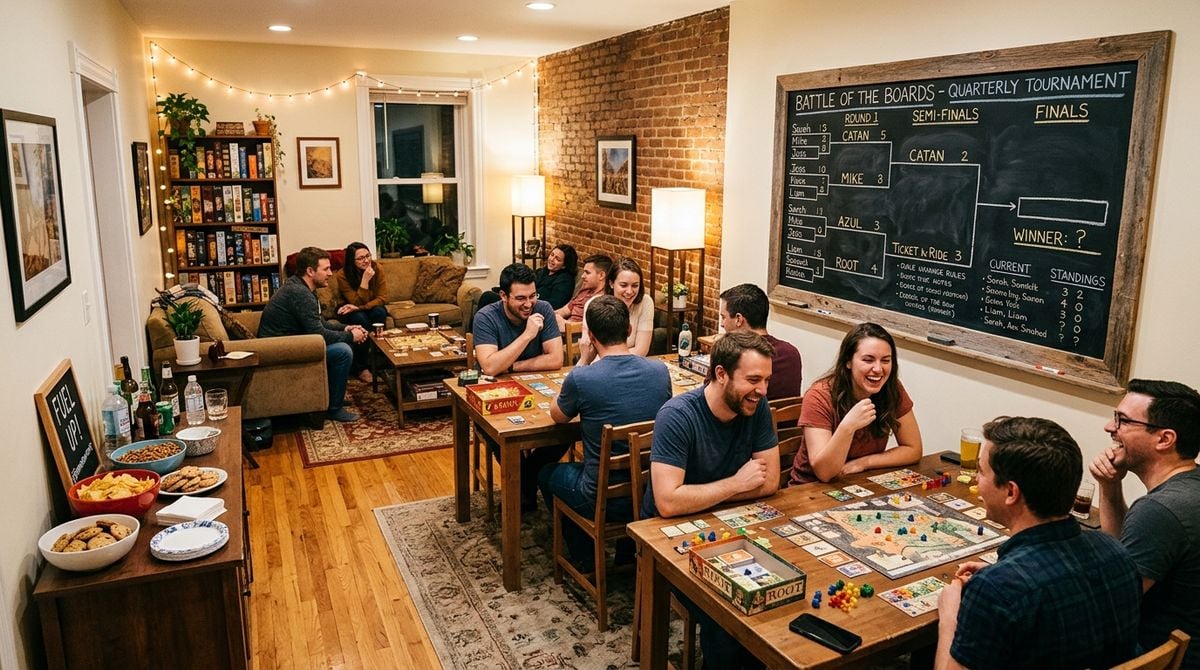
A board game night can grow into a steady local business for players who want a social place to meet. Starting one in a single week means choosing a venue, a game collection, a simple schedule and a way to take payment for entry. This plan keeps everything modest so that the first event can happen without a large outlay. Each day builds on the one before. The steps focus on people, safety and clear rules, because those are what make a game night feel welcoming. Treat the first few sessions as a learning period, and expect to adjust the format once you see how guests behave. A slower first month gives you room to fix small problems without public pressure.
Defining the Evening
Decide what kind of night you want to host. Some owners focus on strategy games for experienced players, while others welcome families or beginners with light, quick titles. Choose a theme that fits your neighborhood and the times when people are free. A clear identity helps guests know what to expect and makes promotion simpler. Write one sentence describing the ideal guest, and refer back to it whenever you make a decision about layout, games or pricing. Revisit the sentence after the first month to see whether it still describes the guests you are attracting.
Finding a Suitable Space
Look for a room that is comfortable, quiet enough for conversation and easy to reach. A cafe back room, a community hall or a library meeting space may work well. Ask about tables, chairs, lighting, storage for games and whether food is allowed. Check how many players can sit comfortably at each table. Readers may also want to visit Designwithdeb.com. A visit at the time you plan to host helps you judge noise levels and parking needs before you sign any agreement. Ask how the room is cleaned between events and who holds the keys.
Building a Starter Game Library
Begin with a small collection of about a dozen games that suit different group sizes and skill levels. Include two or three quick games that new players can learn in five minutes. Keep a log of each title, its condition and the number of pieces. Sleeve cards and use labeled bags so that setup and cleanup move quickly. You can also visit specialedoptions.com for more reading. Watch how a title plays with a mixed group, since some games suit experienced players far more than newcomers.
Setting Simple House Rules
Write a short set of house rules that cover arrival, table etiquette, food and drink, and what happens when a dispute arises. Post the rules near the entrance and mention them briefly at the start of each night. Clear rules make the room feel fair and reduce the need for constant intervention. Explain how guests can ask for help with a rule or a game, and name the person who will make the final call. A friendly tone when enforcing rules keeps the room welcoming even during a heated round.
Planning Entry and Membership Options
Decide how guests will pay. Options include a single entry fee, a monthly membership or a free first night followed by paid sessions. Keep the structure easy to explain at the door. Consider a loyalty card that rewards regular visits, but keep the scheme simple. For a related read on this site, see Workplace Wellness Programs: Modern Tools and Classic Walking. Check any local rules for food handling or business registration with the relevant office. Ask a local advisor to review your plan before you publish any prices.
Scheduling and Promoting the First Event
Pick a regular night, such as the same weekday each month, so regulars can plan ahead. Announce the first event through a simple notice board, a local community page and direct invitations to friends who enjoy games. Keep the message short: date, time, entry cost and what to bring. Ask attendees to reserve a seat in advance if your room is small. The first event should feel friendly and relaxed rather than polished. A few cheerful greeters at the door can set that tone within minutes.
Running a Trial Session
Hold a practice session with volunteers before the public event. Watch how long each game takes, where people get stuck and whether the seating works. Take notes on volume, lighting and the flow between tables. Ask every volunteer for honest feedback and adjust the rules or room layout accordingly. A trial session turns plans into a repeatable routine that will serve the first paying guests well. Note what changed between the trial and the real event so that improvements are easy to track.
A Table Ready for the Next Guest
A single week of planning can produce a clear concept, a suitable room, a starter library, simple rules, a payment plan and a first promoted event. The business will keep improving through guest feedback and the games people request most often. Keep notes on what worked and what did not, and invite regulars to suggest new titles. A good game night rewards patience and warmth, so greet every guest personally and let the evening find its own rhythm.