Launching a clothing label appeals to many entrepreneurs who notice gaps in everyday wardrobes or want to build a recognizable brand. Beginners often assume they need a fashion degree or massive financial backing before sketching their first design. In reality, starting small allows new founders to learn production realities, test customer interest, and refine their brand identity without taking overwhelming risks.
A disciplined approach focuses on solving a specific wardrobe problem for a clearly defined audience. Rather than releasing a massive seasonal collection, smart beginners start with a handful of core pieces that showcase quality and fit. Understanding the basic workflow from concept to customer doorstep prevents common early mistakes and sets a realistic pace for growth.
Defining Your Niche and Brand Identity
Every lasting apparel business begins with a clear point of view that separates it from crowded retail racks. Beginners should spend time observing what people around them struggle to find in standard stores, whether that means durable workwear, breathable loungewear, or versatile travel pieces. Narrowing the focus makes every future decision easier, from fabric selection to photography styling.
Once a target customer is clear, founders can map out the core values and aesthetic of the label. Developing a cohesive visual identity involves choosing a color palette, typography, and tone of voice that resonate with that specific group. Readers may also want to visit Auto Car News HQ.
Testing concepts early saves time and money before any bulk manufacturing begins. Sharing mood boards, fabric swatches, or basic sketches with potential buyers reveals which ideas spark genuine excitement. Honest feedback at this stage helps refine the initial product lineup so that every garment serves a clear purpose.
Sourcing Fabrics and Finding Reliable Manufacturers
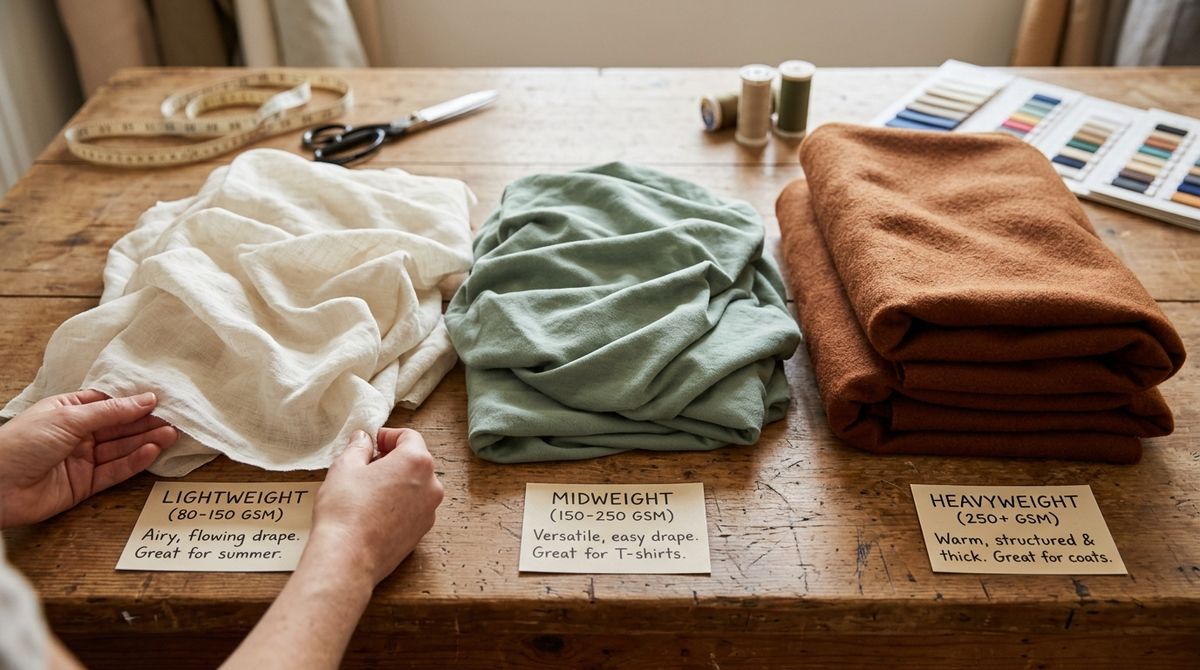
Fabric quality often determines whether a first-time buyer becomes a loyal repeat customer. Beginners should order sample swatch books from multiple textile suppliers to feel weight, stretch, and texture firsthand. Washing and wearing test fabrics at home uncovers shrinkage or pilling issues long before production starts.
Finding a manufacturing partner requires patience and clear communication about minimum order quantities and lead times. Small domestic workshops often accommodate smaller initial runs, making communication and quality inspections much simpler for newcomers. You can also visit Cartoolexpress for more reading.
Creating a detailed technical packet, commonly called a tech pack, bridges the gap between a creative idea and a finished garment. A thorough tech pack includes flat sketches, exact measurements, stitch types, and label placements so factory teams have zero guesswork. Investing effort into accurate documentation reduces costly sample revisions and builds trust with production partners.
Managing Inventory and Pricing for Profit
Setting retail prices involves far more than simply doubling the cost of fabric and sewing labor. Beginners must account for shipping fees, packaging materials, payment processing charges, marketing expenses, and inevitable returns. Building a simple spreadsheet that tracks every single overhead item ensures each sale actually contributes to business survival.
Inventory management presents one of the biggest hurdles for new apparel founders who want to avoid stacks of unsold boxes. Starting with pre-orders or small batch runs keeps cash flow healthy while revealing which sizes and colors sell fastest. For a related read on this site, see Choosing the Right Service Software for a Growing.
Maintaining accurate records from the very first sample order establishes good financial habits. Tracking unit costs across different order sizes shows exactly how margins improve as production scales up. When founders understand their numbers thoroughly, they can offer occasional promotions or wholesale partnerships with confidence.
Building an Online Storefront and Launching
A clean, trustworthy online store serves as the primary showroom for most modern independent clothing brands. High-resolution photography showing garments on real people in natural lighting builds far more confidence than flat product shots alone. Clear size charts with actual garment measurements help shoppers pick the right fit and dramatically lower return rates.
The launch phase works best when treated as an ongoing conversation rather than a single dramatic event. Building an email list weeks before launch day creates an eager group of early supporters ready to place the first orders. Sharing behind-the-scenes glimpses of fabric selection, fitting sessions, and packaging builds authentic connection around the new label.
Post-launch momentum relies on listening closely to the people who actually wear the clothes. Following up with early buyers to ask about fit, comfort, and durability provides invaluable insights for the second production run. Continuous refinement turns a modest debut into a respected clothing business.
Moving Forward With Confidence
Building an apparel brand rewards patience, curiosity, and steady attention to detail. Beginners who treat their first collection as a practical learning experience gain skills that no classroom can match. By keeping initial runs manageable, prioritizing fabric quality, and listening to early customers, new founders lay a solid foundation for steady growth in the fashion industry.