After a car accident, small business owners should first check for injuries, call emergency services when needed, and guide employees and customers to safety without approaching hazards. Once safe, they should document the scene, exchange information calmly, and notify the appropriate company contact and insurer.
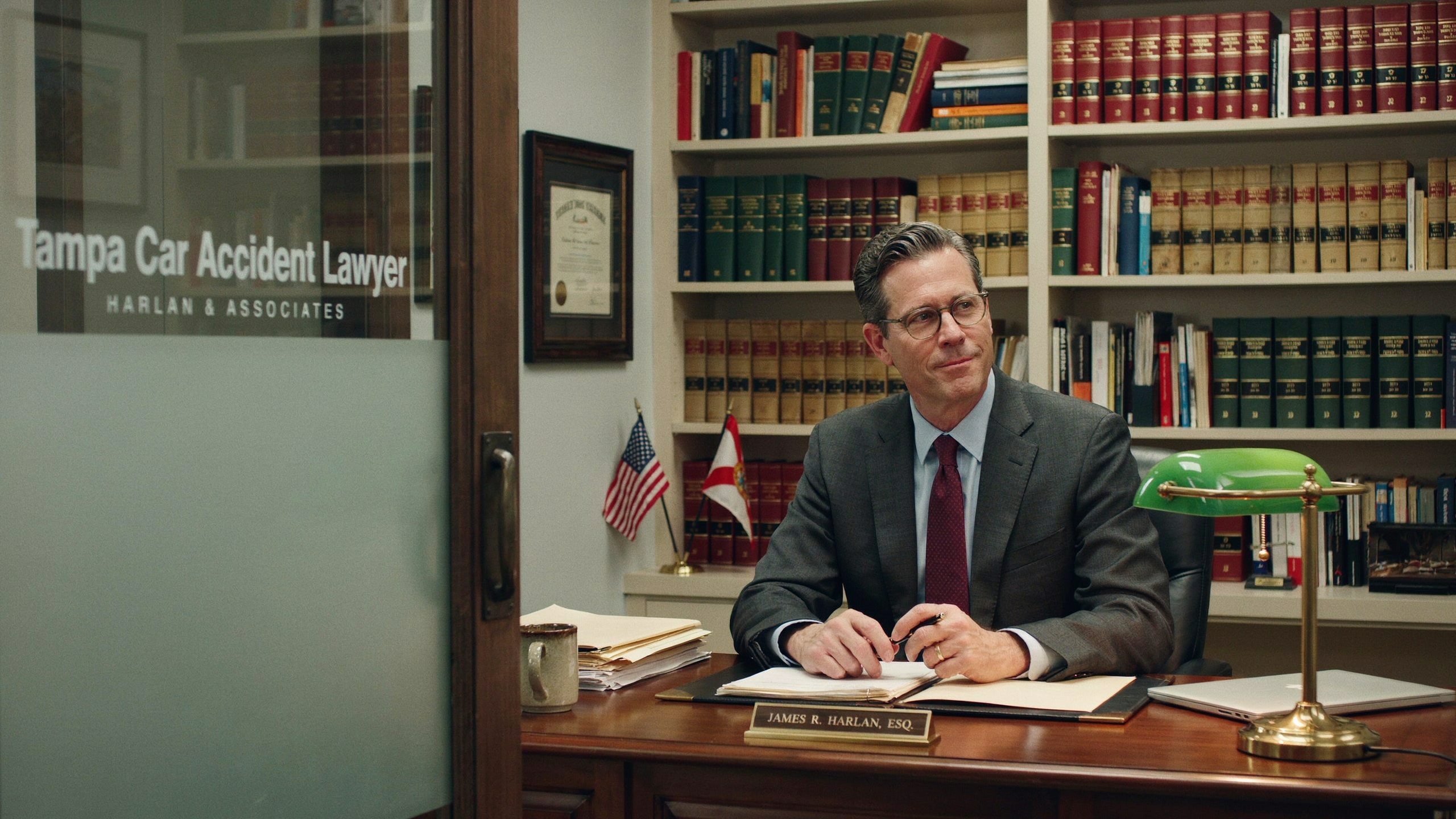
The Law Offices of Anidjar and Levine can help owners understand their options; a Tampa Car Accident Lawyer can provide guidance. Preserve medical, repair, and expense records, secure business property and customer data, and arrange temporary staffing or customer updates.
The following guidance covers additional steps to protect people and keep operations moving.
Main Takeaways
- Check everyone for injuries, call emergency services when needed, and move people to safety only when it is safe to do so.
- Document the scene from a safe location, exchange required driver and insurance details, and collect witness contacts without discussing fault.
- Notify the appropriate supervisor or company contact promptly, follow reporting deadlines, and keep copies of submitted records.
- Arrange towing for any unsafe vehicle, confirm costs and destination, and check coverage for a replacement vehicle.
- Notify the business auto insurer promptly, preserve photos and records, and track medical care, expenses, and work limitations.
Check for Injuries and Call for Help
After a car accident, check everyone involved for injuries, even if no one reports pain. A business owner or designated employee can calmly ask each person whether they are hurt and identify anyone who needs immediate attention. Check the surroundings for hazards that could affect responders or injured people, and do not move anyone with a serious injury unless there is an immediate threat.
Call emergency services when anyone is injured, symptoms are severe, or the situation is uncertain. Give the dispatcher the location, number of people involved, and known injuries, then follow instructions. While help is on the way, assess symptoms such as bleeding, difficulty breathing, confusion, dizziness, or neck and back pain. Keep communication clear and reassuring, and avoid offering food, drink, or medication.
Some injuries may not be apparent at first. Anyone involved should seek medical evaluation if symptoms develop or worsen. Prompt, considerate action helps protect people and gives responders useful information.
Move Employees and Customers to Safety
Once emergency responders have been contacted, employees and customers should be guided away from traffic, fire, leaking fluids, or other hazards. A calm, organized response can prevent further injuries and reassure people who may be frightened or disoriented. The business owner or designated staff member should direct a safe evacuation without placing anyone in danger.
Guide people calmly away from hazards, using safe routes and accessible exits to prevent further injuries.
- Identify a clear route away from the crash scene, avoiding damaged vehicles, broken glass, and moving traffic.
- Use accessible exits and paths so people with mobility, sensory, or other support needs can leave safely.
- Assign staff to guide customers to a secure gathering point at a safe distance from the roadway and emergency activity.
- Keep everyone united, account for those present, and follow instructions from police, firefighters, or medical personnel.
If an exit is blocked or conditions change, staff should redirect people rather than send them through a hazardous area. No one should return inside or approach the vehicles until responders confirm it is safe.
Document the Crash and Gather Witness Details
Once everyone is safe, the business owner should document the crash while details are fresh. Photographs of vehicle positions, damage, road conditions, and nearby signs can help preserve an accurate record. The owner should also collect witnesses’ names and contact information, with their consent.
Photograph the Scene
Clear photographs and witness information can preserve details that may be difficult to recall later. After checking for injuries and moving to safety, a small business owner can document the scene without delaying medical care or creating further risk. Images should be factual, clear, and taken from a safe position.
- Capture each vehicle’s damage, license plates, and relative positions before vehicles are moved, if safe.
- Photograph the wider scene, including road signs, signals, skid marks, weather, and visible roadside hazards.
- Use varied camera placement: take overview images, then closer shots that show specific damage and relevant details.
- Save original files with their timestamps; avoid editing images, and note where and when each was taken.
Careful documentation may help insurers, repair professionals, and others understand what occurred and support a fair, efficient response.
Record Witness Information
Witness accounts can help clarify how a crash unfolded, especially when vehicle damage or photographs leave questions unanswered. A business owner or designated employee should approach witnesses calmly, check that they are safe, and ask whether they are willing to share what they saw. Record Witness contact details, including each person’s name, phone number, and email address, so an insurer or investigator can follow up. Note where each witness stood, what they observed, and when they arrived, without suggesting answers or debating fault. Independent observations may help establish the sequence of events, traffic conditions, or signals, but accounts can differ. The people involved should preserve each witness’s words as accurately as possible and avoid pressuring anyone to make a statement. Prompt, respectful documentation can support a fair review and help the business respond responsibly.
Exchange Information Without Admitting Fault
After a crash, a business owner should exchange contact, insurance, and vehicle details with the other driver while keeping the conversation factual. Calm, respectful communication can help everyone focus on safety and accurate documentation without assigning blame.
- Share and collect each driver’s name, phone number, address, insurer, policy details, license number, and vehicle registration.
- Photograph relevant documents, vehicle damage, license plates, and the scene when it is safe and permitted.
- Use neutral communication strategies: describe observable facts, avoid speculation, and do not apologize in ways that could be interpreted as accepting responsibility.
- Follow Insurance exchange protocols required by local law, and provide truthful information to responding officers or insurers.
A driver need not debate who caused the collision at the roadside. If asked about fault, the business owner can state that the circumstances are still being assessed and leave conclusions to investigators and insurers. Clear, courteous exchanges support fair review and protect all parties’ ability to resolve the matter. If anyone is injured, immediate medical assistance takes priority over collecting details.
Notify Your Business or Supervisor About the Crash
Once immediate safety needs are addressed, a business owner should promptly notify the appropriate supervisor or company contact about the crash. Immediate notification helps the organization respond responsibly, support anyone affected, and preserve accurate records. The driver should follow the company’s reporting protocol, including any required phone call, incident form, or written account, and meet stated deadlines.
The initial report should provide clear, factual details: when and where the collision occurred, who was involved, whether anyone was injured, and whether the vehicle was being used for work. The driver should distinguish confirmed facts from information still being verified and avoid speculation or assigning blame. If details are incomplete, the report can be updated when reliable information becomes available.
Prompt, accurate communication allows supervisors to assess business obligations and guide appropriate next steps. It also helps protect customers, employees, and others who may depend on the business. A calm, cooperative report supports a fair review while respecting everyone involved. The driver should retain a copy of submitted records and note when and to whom the incident was reported.
Arrange Towing and a Safe Replacement Vehicle
If the crash leaves a business vehicle unsafe or unable to move, the owner should arrange towing through roadside assistance, the insurer, or a trusted towing provider. A calm plan can protect the vehicle, reduce disruption, and help employees continue serving customers safely. Before authorizing a tow, the owner should confirm the destination, estimated charges, and whether the insurer has preferred providers.
Confirm towing costs and destination with the provider and insurer to protect the vehicle and minimize business disruption.
- Move people away from traffic and follow emergency responders’ directions; no one should attempt to drive a damaged vehicle.
- Photograph the vehicle’s position and visible damage, when safe, before it is moved.
- Ask the towing provider to take the vehicle to an approved repair facility or secure storage location, and keep the receipt.
- Check whether the policy or a rental agreement covers a replacement vehicle, then select one suited to vital business duties.
The owner should communicate availability and pickup arrangements to affected staff. A suitable temporary vehicle can preserve vital operations without compromising safety or placing unnecessary burdens on employees.
Get Medical Care and Keep Records
Prompt medical evaluation is important after a crash, even when injuries seem minor or symptoms appear later. A business owner’s health comes first; timely care can identify hidden injuries and support a safer return to responsibilities. Emergency symptoms require immediate attention, while other concerns should be discussed with a qualified clinician.
Medical documentation can help clinicians coordinate care and clarify how injuries affect daily tasks. Records should be accurate, securely stored, and shared only with appropriate professionals.
| Record | What to keep |
|---|---|
| Visit notes | Diagnoses and clinician instructions |
| Treatment details | Prescriptions, referrals, and therapy |
| Expenses | Receipts and travel costs |
| Symptoms | Dates, changes, and work limitations |
Following the care plan matters. Treatment follow up helps identify complications, adjust recovery steps, and document ongoing needs. If symptoms change, the owner should contact a medical professional rather than relying on assumptions. Clear records can also help trusted staff understand temporary coverage needs, without disclosing private health details unnecessarily. Consistent care supports recovery and helps the business continue serving customers responsibly.
Notify Your Business Auto Insurer Promptly
After a crash, a small business owner should notify the business auto insurer promptly, even if the damage seems minor. Timely notice helps the insurer assess the claim and explain next steps. The owner should provide accurate, complete details and distinguish confirmed facts from estimates.
Report the Accident Promptly
Small business owners should notify their business auto insurer as soon as possible after an accident, even when damage appears minor or fault is unclear. Immediate Reporting helps protect coverage and allows the insurer to begin its review while details remain timely. Reporting Deadlines vary by policy, so owners should check their documents and contact the insurer without delay.
A prompt report can also help businesses restore operations and continue serving customers, employees, and the community. Owners should:
- Call the insurer’s claims line or use its designated reporting channel.
- Ask whether the policy requires written notice or specific forms.
- Record the claim number and the date the report was submitted.
- Follow up promptly if the insurer requests additional steps or documentation.
Meeting notice requirements does not determine fault; it supports an orderly claims process and helps prevent avoidable delays.
Share Accurate Details
Once the insurer has been notified, the business owner should provide a clear, factual account of the accident. The report should include when and where the collision occurred, who was involved, the vehicles’ positions, road and weather conditions, and any known injuries or property damage. The driver should distinguish observed facts from assumptions and avoid guessing about fault or details that remain uncertain. Accurate Details help the insurer assess the claim and determine what documentation is needed. The business owner should share photographs, witness contact information, police reports, and relevant vehicle or business records when available. If additional information emerges, it should be provided promptly. Everyone involved should communicate honestly and keep Consistent Accounts across reports, while correcting errors transparently. Careful, timely cooperation can support a fair review and help the business continue serving its customers.
Check What Your Business Auto Policy Covers
What a business auto policy covers after a crash depends on its terms, the vehicles insured, and how they were being used. A careful review helps owners understand which costs may be covered and plan responsibly for employees, customers, and the community.
- Confirm insured vehicles. Check that the car involved is listed or otherwise qualifies for coverage, and verify whether the policy applies to employee-owned vehicles used for business.
- Review covered uses. Delivery, client visits, and commuting may be treated differently. Compare the trip’s purpose with the policy’s definitions.
- Check coverage limits. Note the maximum amounts available for liability, vehicle damage, medical expenses, and uninsured or underinsured motorists. Limits may not cover every loss.
- Read Policy exclusions. Look for restrictions involving drivers, vehicle condition, business activities, or late reporting. Record required notice steps and documentation.
The declarations page, endorsements, and full policy wording should be considered as a whole. If terms remain unclear, the insurer can explain how they apply to the reported incident and what information is needed to assess the claim.
Know When to Contact a Lawyer
A lawyer may be helpful when an accident causes serious injuries or leads to a dispute. Legal guidance can also clarify fault and liability when the facts are uncertain. If the crash disrupts business operations or prompts complicated claims, an attorney can help assess available options.
Serious Injuries or Disputes
When a car accident causes serious injuries or the parties dispute who was at fault, small business owners should consider consulting a lawyer promptly. Early guidance can protect injured people’s interests while helping the business respond responsibly and preserve vital information.
- Seek medical care first, and avoid delaying treatment while evaluating business obligations.
- Keep Injury documentation, including medical records, photographs, witness details, and accident-related expenses.
- Contact counsel before signing releases, accepting settlements, or making statements that could affect a claim.
- Ask about dispute resolution options, deadlines, insurance communications, and steps to limit disruption to employees and customers.
A lawyer can explain available choices, coordinate with insurers, and help clarify responsibilities without promising a particular outcome. Prompt advice is especially important when injuries require ongoing care or disagreements are already affecting recovery, operations, or relationships. Careful, timely action supports fair treatment and informed decisions for everyone involved.
Unclear Fault or Liability
When responsibility for a crash is unclear, a small business owner may need legal advice before speaking for the business or agreeing to an insurer’s account. Fault determination can depend on witness statements, traffic laws, vehicle damage, and records that may be difficult to assess while the owner is managing staff and serving customers. A lawyer can explain applicable rules, review available evidence, and help the owner avoid premature admissions or inaccurate statements. Legal guidance is especially useful when accounts conflict, several drivers may share responsibility, or an insurer challenges the facts. In liability disputes, counsel can communicate with insurers and protect the business’s position while the investigation proceeds. Seeking advice does not require hostility; it can help guarantee that decisions are informed, fair, and consistent with the owner’s responsibilities to employees and the community.
Business Losses and Claims
Lost revenue, repair costs, and missed work can turn a car accident into a serious business claim. When a vehicle is vital to serving customers, even brief downtime may disrupt operations, strain staff, and threaten customer retention. Careful records help establish the impact and support a fair claim.
A business owner should document:
- Lost income: Preserve sales reports, canceled orders, and appointment records.
- Added expenses: Save invoices for repairs, rentals, towing, and temporary staffing.
- Operational disruption: Record days affected and services delayed or unavailable.
- Claim communications: Keep insurer correspondence, estimates, and payment offers.
Business interruption losses can be complicated, especially when fault is disputed or an insurer questions the evidence. A lawyer may help assess recoverable damages, meet deadlines, and negotiate with insurers. Prompt legal advice is particularly important when losses are substantial, coverage is unclear, or a settlement could affect the business’s ability to serve its community.
Track Lost Work Time and Crash Expenses
After a car accident, a small business owner may lose income not only from time away but also from delayed orders, missed appointments, or interrupted operations. Careful records can show how the disruption affected service and finances. Lost revenue and missed deadlines should be documented alongside the time needed to restore normal operations.
| Record | Details to capture | Supporting evidence |
|---|---|---|
| Work time | Hours missed; duties postponed | Calendar, time sheets |
| Income impact | Canceled jobs; reduced sales | Invoices, sales reports |
| Crash expenses | Towing, transport, temporary help | Receipts, payment records |
A dated log can connect each expense or interruption to the crash, while separating ordinary business costs from added costs. The owner or designated staff member can note affected customers, rescheduled commitments, and steps taken to maintain service. Copies of invoices, receipts, and correspondence help clarify amounts and timing. Consistent documentation may support insurance or legal discussions and help the business assess recovery needs. Records should be factual, organized, and retained with relevant claim materials.
Secure Business Property and Customer Data
A crash can put business equipment, records, and customer information at risk, especially if a vehicle or worksite is damaged or left unattended. Prompt protection can limit losses and help preserve the trust of people who depend on the business. Once emergency needs are addressed, the owner or a designated representative can take these steps:
- Restrict property access. Secure damaged premises, vehicles, tools, and storage areas; arrange repairs or temporary barriers where needed. Keep a record of who enters and when.
- Protect devices and documents. Retrieve laptops, phones, paper files, and other sensitive materials only when safe. Store them in a locked location and avoid leaving them in vehicles.
- Preserve evidence. Photograph damage and note missing or exposed property before moving items, when conditions allow. Retain receipts and insurer communications.
- Check customer data. Confirm that records remain secure, review account access, and change credentials if devices may be compromised. Verify that data backups are current and usable.
If information was exposed, the business should follow applicable notification duties and seek qualified guidance.
Adjust Staff Schedules and Customer Commitments
After a car accident, a business owner may need to revise staff shifts to account for absences or operational changes. Customers should be notified promptly if appointments, delivery times, or other service commitments must change. Clear updates help staff and customers plan around temporary disruptions.
Revise Staff Shifts
When an accident leaves an owner or employee unable to work, prompt schedule changes can help keep the business running and set realistic expectations. A clear shift plan protects employees from excessive strain while preserving reliable service for customers.
- Identify critical daily tasks and assign each to a qualified staff member, prioritizing safety and continuity.
- Arrange temporary coverage through trained employees, approved substitutes, or a trusted staffing provider.
- Use workload redistribution carefully, checking that added duties fit employees’ skills, hours, and capacity.
- Review shifts regularly as recovery needs and staffing availability change; invite employees to report pressure early.
A written schedule, shared through the usual communication channel, reduces confusion about responsibilities and handoffs. Managers should document changes, respect labor rules, and avoid promising availability that the team cannot sustain. Thoughtful adjustments support both affected colleagues and the people who depend on the business.
Update Service Commitments
If staffing changes limit capacity, the business should promptly revise service commitments to match what the team can reliably deliver. After a car accident, reduced availability may affect appointments, delivery windows, response times, or open hours. Clear customer updates help people make informed choices and prevent avoidable frustration. The business should contact affected customers directly, explain the change briefly, and offer realistic alternatives, such as rescheduling, adjusted timelines, or referrals when appropriate.
Managers should also review new bookings and pause services that cannot be performed safely or consistently. Promises should reflect confirmed staffing, not hoped-for recovery. A practical service recovery plan can prioritize urgent needs, assign a contact for questions, and set a date for the next update. Consistent communication demonstrates respect for customers while giving staff room to recover and maintain dependable service.
Review Safety Steps to Prevent Another Crash
A crash can expose gaps in a small business’s driving practices, making a careful safety review an important step toward preventing another collision. A measured review can protect employees, customers, and everyone who depends on timely service. It should identify practical changes without assigning blame before the facts are clear.
- Review the circumstances. Document the route, weather, schedule, and contributing conditions. Look for patterns such as rushed deliveries, fatigue, or unsafe parking.
- Refresh driver training. Reinforce defensive driving, safe following distances, distraction prevention, and procedures for reporting hazards or near misses.
- Check vehicles. Establish regular vehicle maintenance, including inspections of tires, brakes, lights, and safety equipment. Address defects before vehicles return to service.
- Adjust work practices. Set realistic delivery windows, limit driving when employees are fatigued, and clarify who may authorize a vehicle’s use.
Managers should communicate updates clearly, invite staff concerns, and track whether changes are followed. If the review reveals serious risks, qualified safety professionals can help shape corrective measures and support safer service.
Frequently Asked Questions
Can a Car Accident Affect My Business’s Commercial Driver’s License Requirements?
Yes, a crash can affect a driver’s CDL eligibility, depending on fault, severity, and violations. Disqualifications may also change endorsement requirements. Employers should verify current licensing rules and support drivers through reporting and review.
Should I Update My Business’s Vehicle Maintenance and Inspection Records After a Crash?
Yes. The business should update maintenance documentation after a crash, recording damage, repairs, and inspections. A post crash inspection can identify safety issues, support compliance, and help protect drivers, passengers, and others served.
Could an Accident Involving a Company Vehicle Affect My Business’s Taxes?
Yes, a company-vehicle accident may affect business taxes. Tax Deduction Eligibility depends on business use, repair costs, and applicable rules; Insurance Reimbursement Reporting may also matter. A tax professional can help guarantee accurate, compliant reporting.
What Should I Do if a Leased Business Vehicle Is Damaged in a Crash?
After a crash, the business owner should make sure everyone’s safety, document damage, and contact the insurer. Notify the leasing company promptly, Review lease repair terms, and follow approved procedures to protect customers, employees, and the vehicle.
Can I Require Employees to Complete Additional Driver Training After an Accident?
Yes, employers can generally require additional driver training after an accident, subject to applicable laws, contracts, and policies. Post Accident Coaching should address safety needs, while Training Documentation records attendance, content, and follow-up consistently.
—————————
A car accident can disrupt more than travel; it may affect staff, customers, property, and daily operations. Address immediate safety, document what happened, and notify the appropriate people. Keep records of injuries, missed work, expenses, and property damage, and follow up on outstanding commitments. Once urgent needs are handled, consider whether practical safety changes could reduce future risks. For guidance, contact The Law Offices of Anidjar and Levine or consult a Tampa Car Accident Lawyer.