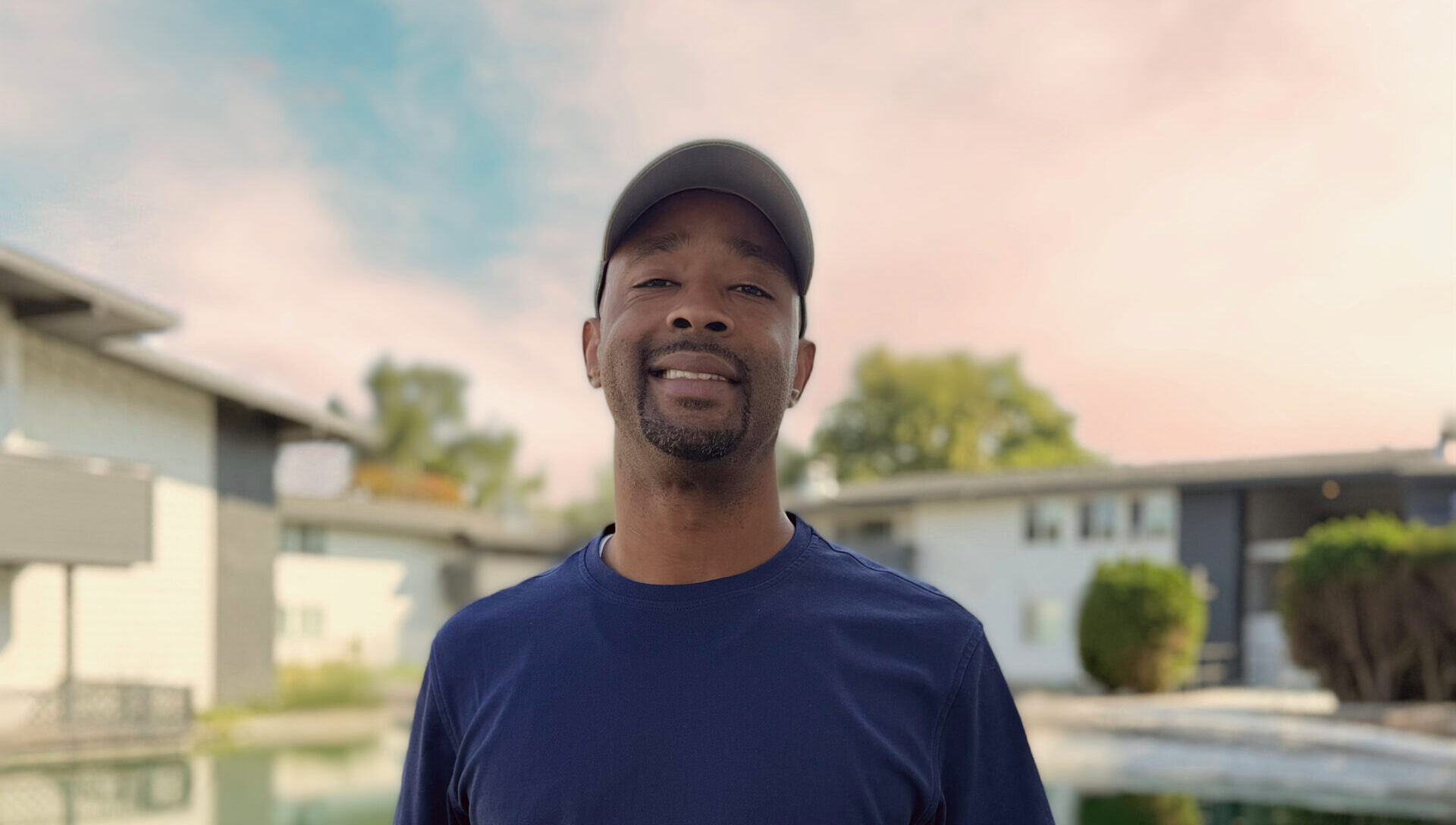
Reinvention as a way of life
For many in logistics, careers follow a predictable arc. They start as dispatchers, climb into management, and eventually settle into steady roles. Keith D. Harwell’s path could not be more different. At eighteen, he ran into some trouble. By his early twenties, he was a young father working odd jobs in orchards, restaurants, and construction sites just to get by. Those years were less about career planning and more about survival.
But reinvention became his strength. Every time Keith faced a setback, he found a way forward. That personal resilience is the same force now driving Affordable Freight, the company he built to challenge the assumptions that bigger is always better in logistics.
Lessons from the oil fields
Keith’s first immersion in logistics came far from warehouses or railroads. A cousin sent him to the oil fields in North Dakota with a one way bus ticket and little else. He started cleaning trucks in the cold but soon became a sand manager, responsible for coordinating frac sand deliveries. The stakes were brutal. If bins went empty, rigs shut down. Every delay translated into millions lost.
Keith thrived in that high pressure environment because he understood what others overlooked: logistics is about anticipation. It is about removing uncertainty before it turns into cost. That instinct to stay ahead of problems has never left him, and it remains the DNA of Affordable Freight.
Precision in produce
When the oil market slowed, Keith entered produce logistics at Crest Logistics, later acquired by Union Pacific Railroad. There he oversaw multimillion dollar shipments of carrots, jalapeños, apples, onions, cherries and potatoes across the western United States. The pace was relentless. A wrong PO number at a dock meant detention fees climbing by the half hour. A late truck could spoil loads and shatter contracts.
Keith’s ability to stabilize those operations became his trademark. Customers trusted him so much they would wait until his swing shift began before making calls. They knew he would answer, and they knew he would fix problems. That trust, forged in produce logistics, is the foundation of Affordable Freight’s customer promise today.
Why Affordable Freight plays a different game
Traditional carriers compete on scale. They tout fleets, staff, and years of reputation. Keith knew from experience that size can also slow companies down. Layers of approval drag out decisions. Customers feel like numbers instead of partners. Small problems slip through until they become costly failures.
Affordable Freight flips that equation. It is lean, accessible, and responsive. Keith is reachable when others are not. Paperwork is checked before trucks roll. Carriers are held accountable load by load. Service is not a slogan. It is the center of the model.
That is why Affordable Freight is changing the game. It is proving that a company without bloated overhead can deliver faster answers, tighter service, and lower costs without cutting corners.
A vision shaped by resilience
Keith’s past is not just background noise. It explains why he is willing to challenge an industry resistant to change. Someone who has been completely rebuilt, who has worked in orchards and oil fields, and who has kept million dollar produce supply chains intact knows that problems can be overcome. More importantly, he knows that the way to overcome them is not by talking bigger but by working smarter.
Affordable Freight is not about competing with giants on their terms. It is about rewriting the terms of competition. Reliability, accountability, and personal service are the real differentiators, not the size of a fleet.
The road ahead
Keith D. Harwell is not positioning Affordable Freight as the underdog. He is positioning it as proof that the future of logistics belongs to companies willing to operate differently. His life has been defined by reinvention, and his company carries that same spirit.
The game is changing because Keith insists it should. Affordable Freight shows that logistics does not have to mean unanswered calls, hidden costs, and shippers feeling like afterthoughts. It can mean personal service, proactive solutions, and a partner who sees freight not as a commodity but as a commitment.
For an industry long dominated by size and inertia, that kind of approach is not just refreshing. It is revolutionary.